Greek Epics XVIII: Iliad Book 17, or You Were Expecting More Achilles, Weren’t You

The death of Patroklos in Book 16 is a turning point in the Iliad. In this episode we start to see the aftermath.

Discussion Prompts
  1. There aren’t many named women in the Iliad. Earlier, we met Hektor’s wife, Andromache. Why do you think Zeus mentions her when he endows Hektor with strength after Hektor dons Achilles’s armor?
  2. An ongoing theme in Book 17 is struggle. What are some examples where you see this theme in action?
  3. What do you think about the role of the gods in this book? We see Athena, Zeus, and Apollo. Are they playing fair? Why or why not?
  4. At one point, Big Ajax kills “many”. How many is “many”?
Greek Comedy XIII: Aristophanes’s Plutus, or What If Wealth Could See?

This is the last play we have from Aristophanes, bringing us to the end of Old Comedy. Unless we decide to call this Middle Comedy. It’s definitely transitional!

Discussion Prompts
  1. If you were directing this play today, when would you set it? Why?
  2. What do you think of the personifications of Wealth (Plutus) and Poverty?
  3. Where is Poverty right and where is she wrong? Why?
  4. The scene with the old woman and the young man. Discuss.
  5. Is it better for Wealth to be sighted or blind? Why?
  6. What does it mean that Plutus’s new temple replaces the Temple of Athena?

The Power of Myth IV: Sacrifice and Bliss, or Don’t “Should” Yourself

This episode holds up better than the last one. It still is very much of its time, and it is still two white men telling the stories gleaned from people of color, but it is not as cringeworthy in its analysis of the world as the last episode.

This is a longish video, but I couldn’t find very good photos from Ignatius’s rooms to share.

Discussion Prompts

  1. The episode opens with a reading of the famous speech attributed to Chief Seattle. Discuss.
  2. What is your favorite sacred space? Why?
  3. Have you read Sir Gawain and the Green Knight before? If so, what are your thoughts?
  4. Where do you find your bliss? Or are you still looking for it?

Greek Epics XVII: Iliad Book 16, or Blame Achilles

We’re 2/3 of the way through the Iliad, and the events of Book 16 will turn the tide of the war.

Discussion Prompts
  1. What do you think of Achilles in this book?
  2. Why do you think Patroklos pursues the Trojans beyond the Greek walls?
  3. What do you think would have happened if Patroklos hadn’t pursued the Trojans beyond the Greek walls?
  4. What role does Fate play in Book 16?
  5. If you haven’t read this before, what do you think is going to happen next?

Greek Tragedy XV: Sophocles’s Philoctetes, or You Were Expecting Danny DeVito?

If your only experience of Philoctetes is the character in Disney’s Hercules, prepare for a big surprise.

Discussion Prompts
  1. How can we use this play to discuss disability rights today?
  2. This play is not about race, but how can we use this play to discuss race today?
  3. If you were directing this play today, how would you cast it? Why?
  4. Lemnos was not an uninhabited island. Other myths even talk about the people who lived there. So why do you think Sophocles makes it so barren and lonely?
  5. Do you think Fate plays a role in this story? Why or why not?
  6. What are your thoughts on Odysseus? Neoptolemus? Philoctetes?
  7. If you were directing this play today, how would you handle the deus ex machina that allows the story to conclude?

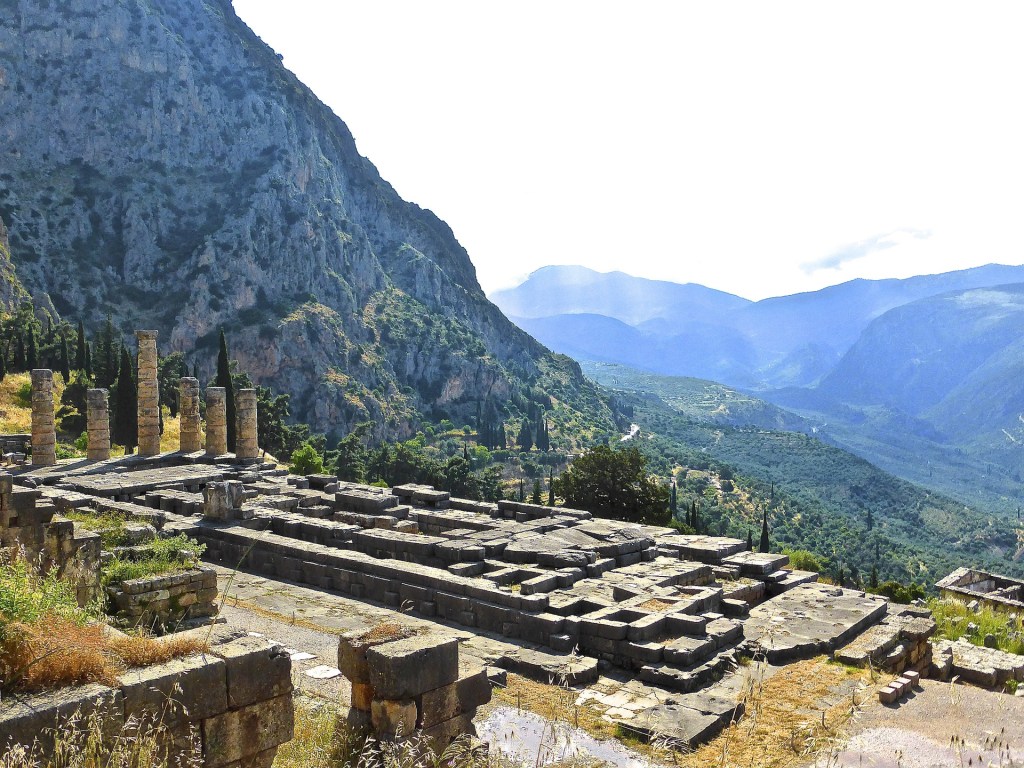
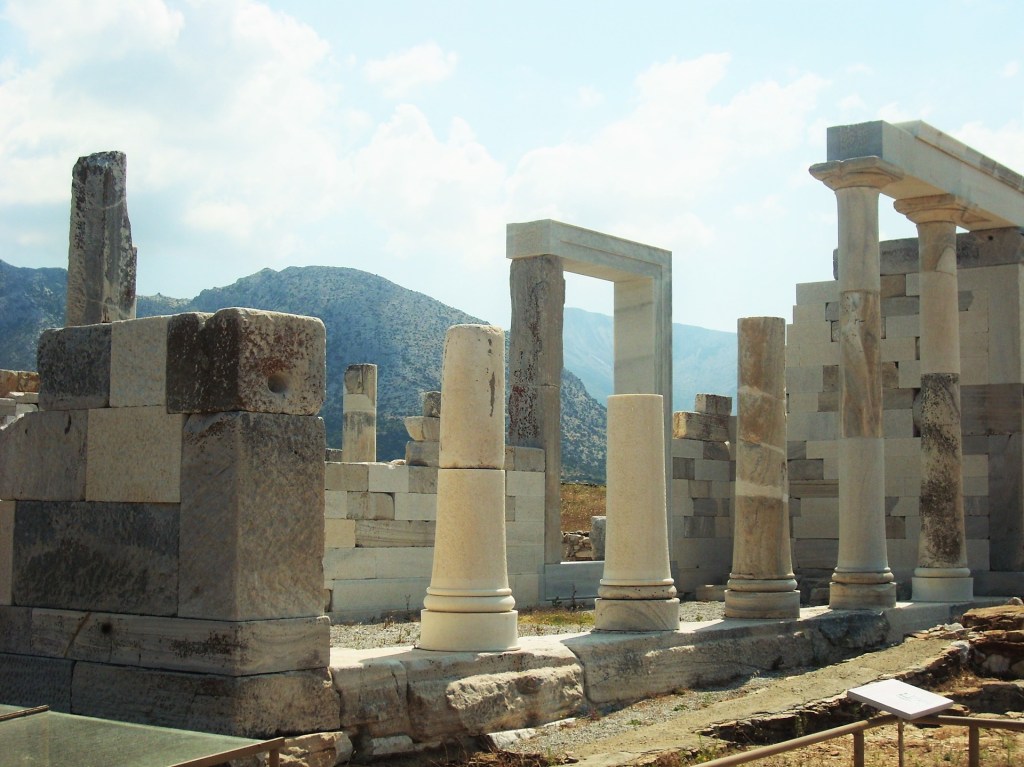
Greek Myth VII: Hymns to Apollo, or Why Apollo’s Temples are In Pretty Places

Some of my favorite places in Greece are where Apollo was revered. Delos is magnificently preserved, and Delphi, both the ruins and the modern city, are beautifully perched on the side of a mountain.

Temple on Delos
Delos – Image by Ben Lescure from Pixabay 
Temple of Apollo at Delphi
Temple of Apollo at Delphi – Image by Siggy Nowak from Pixabay
Discussion Prompts
  1. Why do you think the writer of Hymn 21 uses “Phoibos” instead of “Apollo”?
  2. What do you think the original purpose of Hymn 21 was?
  3. Do you think Hymn 3 is one poem or two? Why?
  4. Where do you think Ortygia is? Why?
  5. If you’ve been to both, which place do you like better: Delos or Delphi? Why?
  6. Why does it matter that Pytho is female? (And yes, it does matter.)
  7. Is the story of Typhaon important to this story? Why or why not?
  8. What do you think about Telphousa? Or Hera? Or Apollo?
  9. If Apollo is the god of prophecy, how is Telphousa able to trick him into going to Delphi to build his temple instead of building it at Telphousa?
  10. We normally think of the Oracle of Delphi, the female Pythia, but she is left out of Hymn 3. Why?

Greek Epics XVI: Iliad Book 15, or It’s Always Darkest Before It Goes Pitch Black

Just how is the war going? Not well. Well, unless you’re a Trojan…

Discussion Prompts
  1. What do you think about Ares in this book? Or Athena?
  2. Why is it unfair for Poseidon to help the Greeks but fair for Apollo to help the Trojans? Or is it not?
  3. Who is your current favorite character? Why?
  4. I didn’t talk about all of the “flash-forwards” in this book of the Iliad, but there are multiple. What does that tell us about Fate? What does this concept of Fate tell us about being human?

Greek Comedy XII: Aristophanes’s Ecclesiazusae, or More Marxist Than Marx

Whether you call it Assemblywomen, Congresswomen, Women at the Assembly, or Women at the Parliament, it is still my favorite and incredibly relevant to our current sociopolitical world.

Discussion Prompts
  1. Why do you think Praxagora effectively disappears in the second half of this play?
  2. If you were to direct this play today, where and when would you set it? Why?
  3. If you were to write a modern adaptation of this play, what changes would you make? Why?
  4. Why do you think Praxagora is the only woman with a name?
  5. Why do you think this play is not as famous as Lysistrata?
  6. Which play do you like better? Lysistrata or Ecclesiazusae? Why?
  7. Did the Dissident come up with a way to cheat the system? If so, what is his plan?
  8. What can we learn from this play about how we could reform our current sociopolitical systems?

The Power of Myth III: The First Storytellers, or Uffa… Old White Men…

This is not the best episode. In case you’d forgotten that Joseph Campbell was an old white man when The Power of Myth was recorded, he’s about to remind you.

Discussion Prompts
  1. What is your favorite liminal space? Why?
  2. What is your favorite coming-of-age story? Why?
  3. Campbell thinks that ritual is dead. How would you prove him wrong?

Greek Epics XV: Iliad Book 14, or Hera the Hippie

In Book 14 of the Iliad, Hera gives new meaning to the phrase “Make Love, Not War,” and we get a bit of a break from the battlefield. Sort of. This is still a war story, after all.

Discussion Prompts
  1. If you’re interested in writing an essay: What purpose does the section about Hera serve? Explain.
  2. Does it really matter that Diomedes is younger than the other Greek leaders? Why or why not?
  3. What are your thoughts on Hera?
  4. How do you think Pasithea is going to feel when she learns that Hera has arranged her marriage to Sleep?
  5. Which is stronger: Fate or Free Will? Why?
Design a site like this with WordPress.com
Get started